The story behind the game
I came across Machi Koro by chance while I was playing a lot in Ukraine. Someone told me it was a great Japanese game, so I tried it.
Legal Notice
Ministry of Board Games is an independent, unofficial and satirical organisation. We are not affiliated with, endorsed by or operated by the Scottish Government, the UK Government or any other public authority. Read the Legal Notice

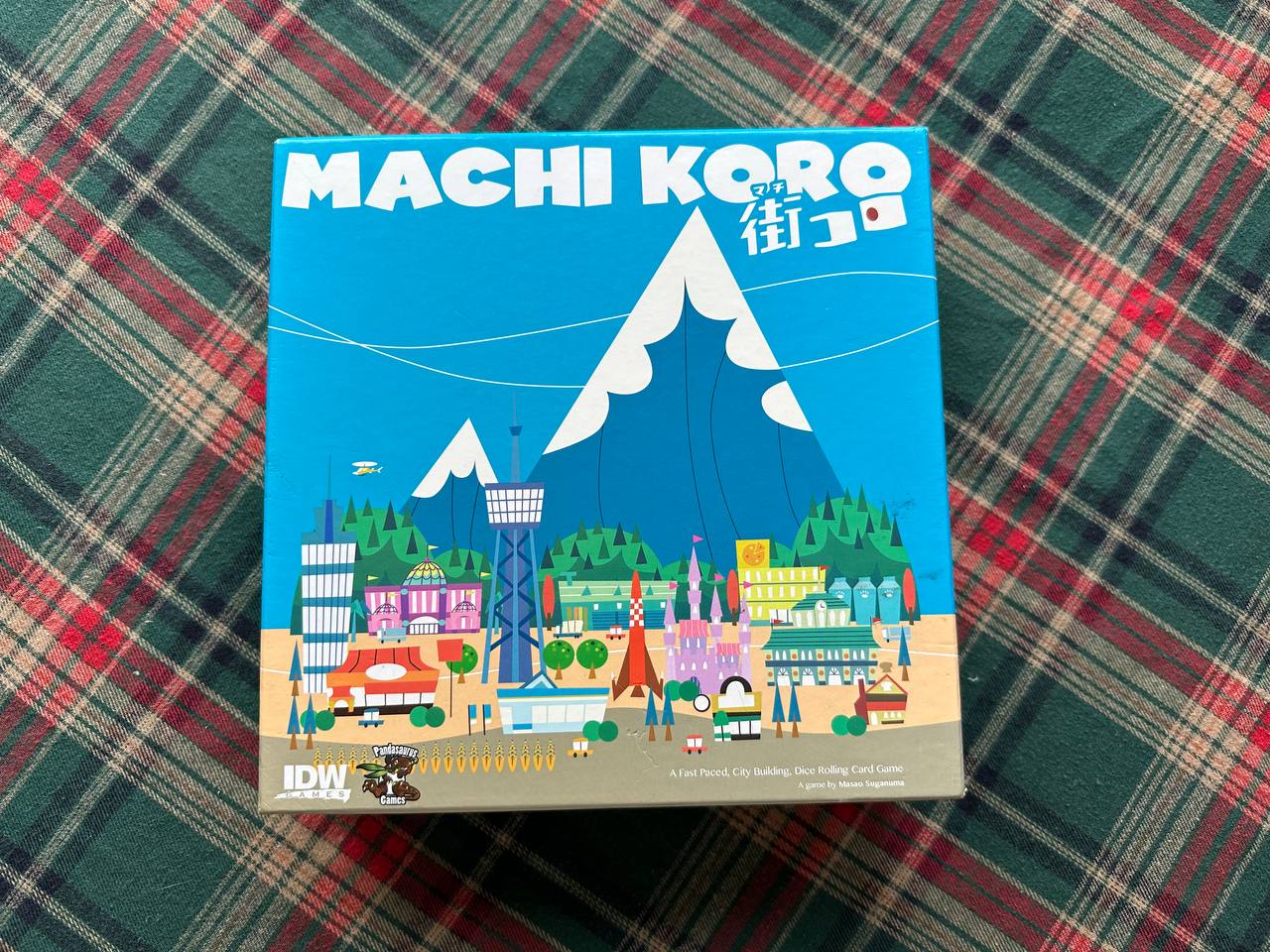
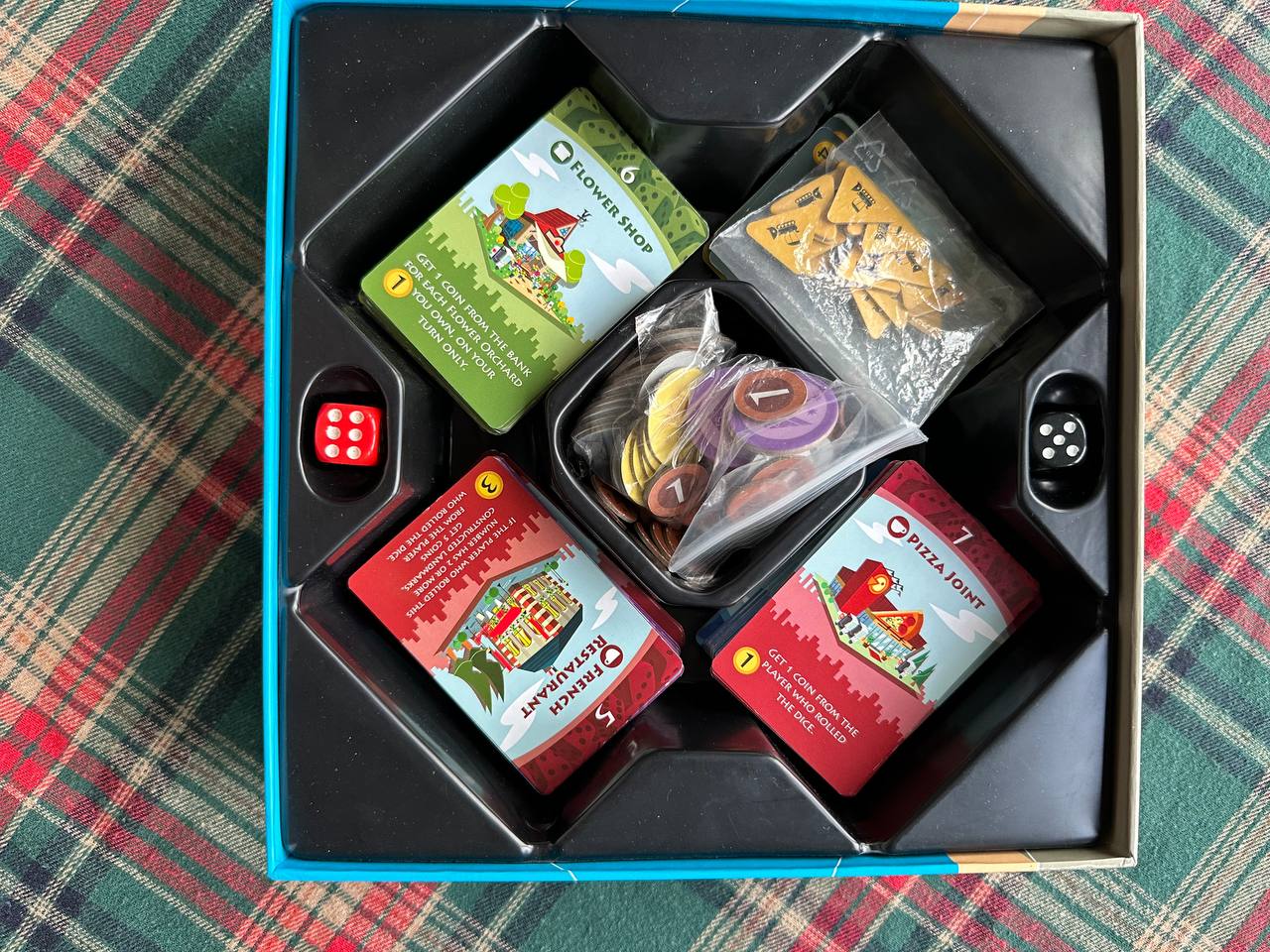
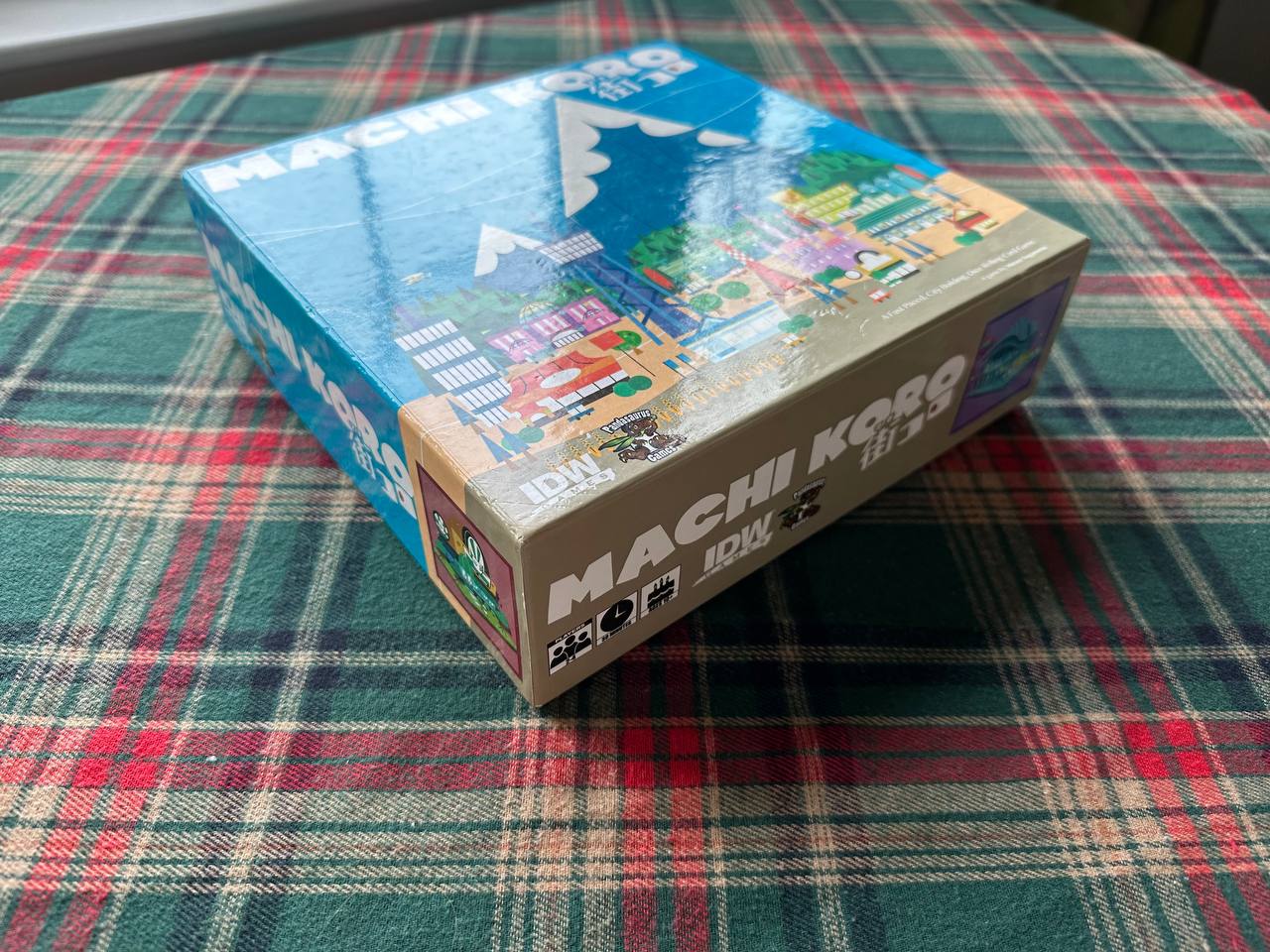
All photographs were taken by us in person. They are real photographs and are not AI-generated
Published by: IDW Games


Rated Average
6.59 / 10 Based on 36,430 reviews

Our verdict
A fun Japanese game. If I think of a Japanese board game, Machi Koro is still the first that comes to mind. It is a good one. Read the full verdict

All ratings and complexity data up to November 2026
Stars and icons designed by @li_za20.02
This game page has been viewed 3 times and 0 members have shown interest in this game
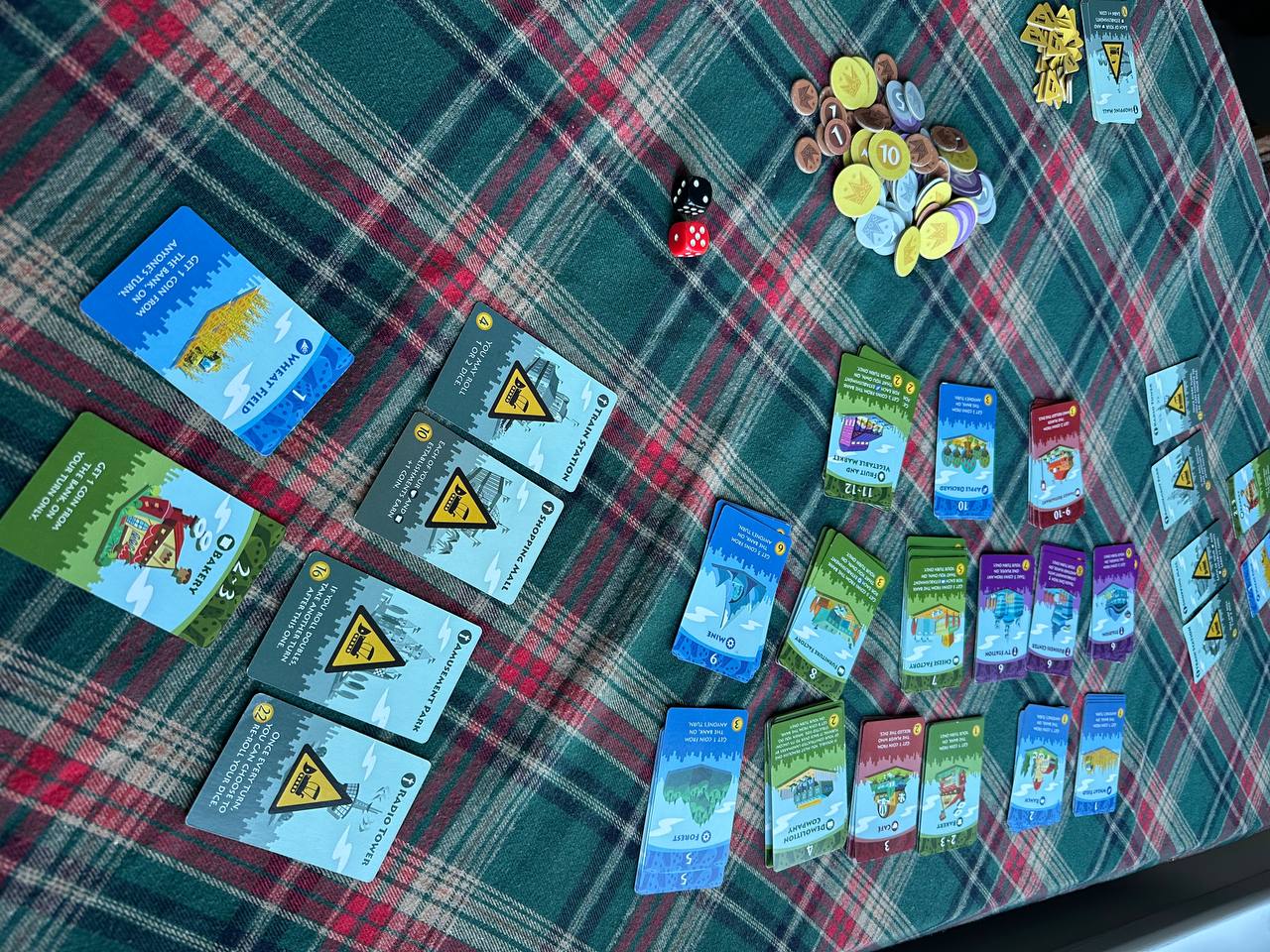
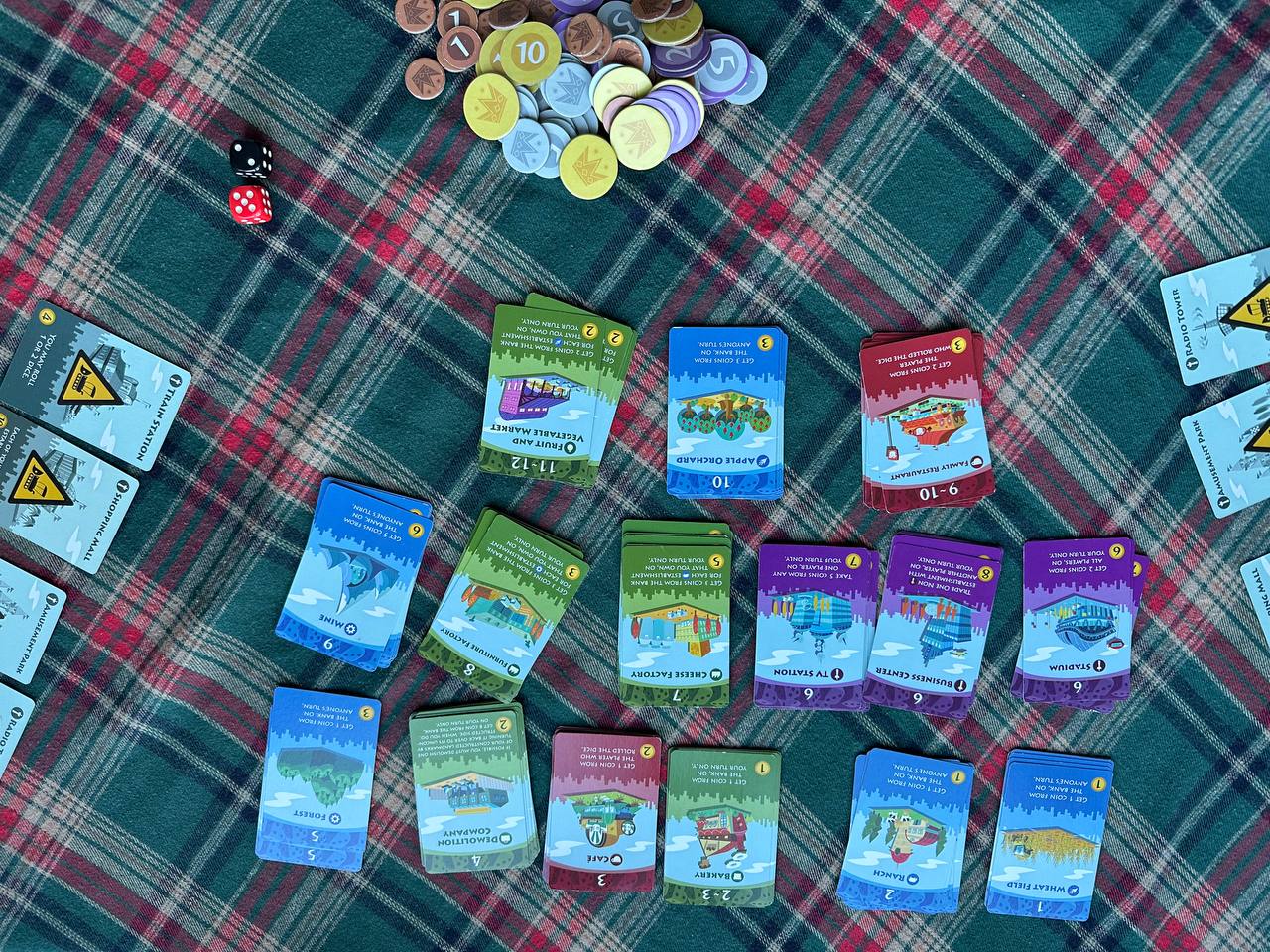
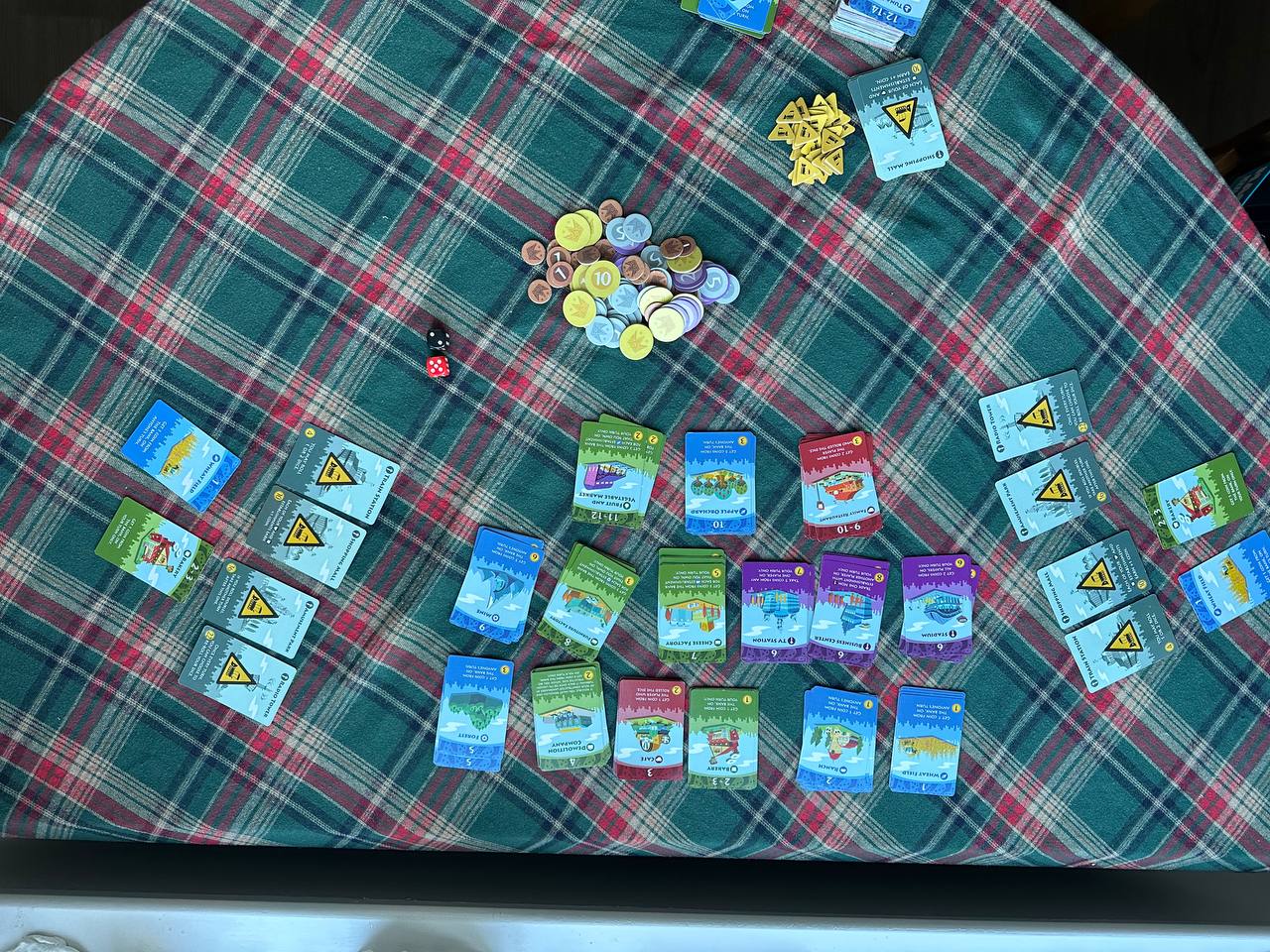
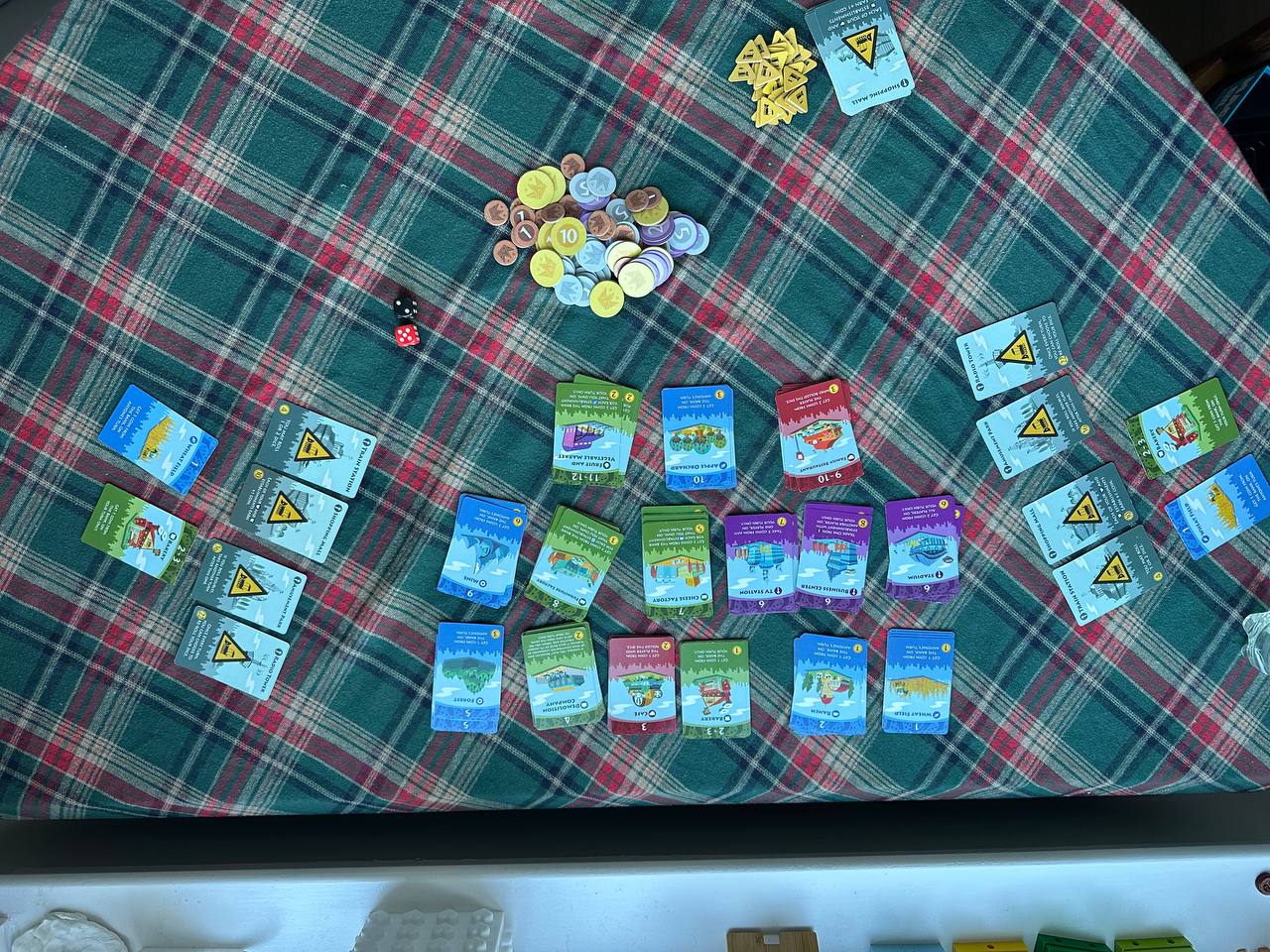
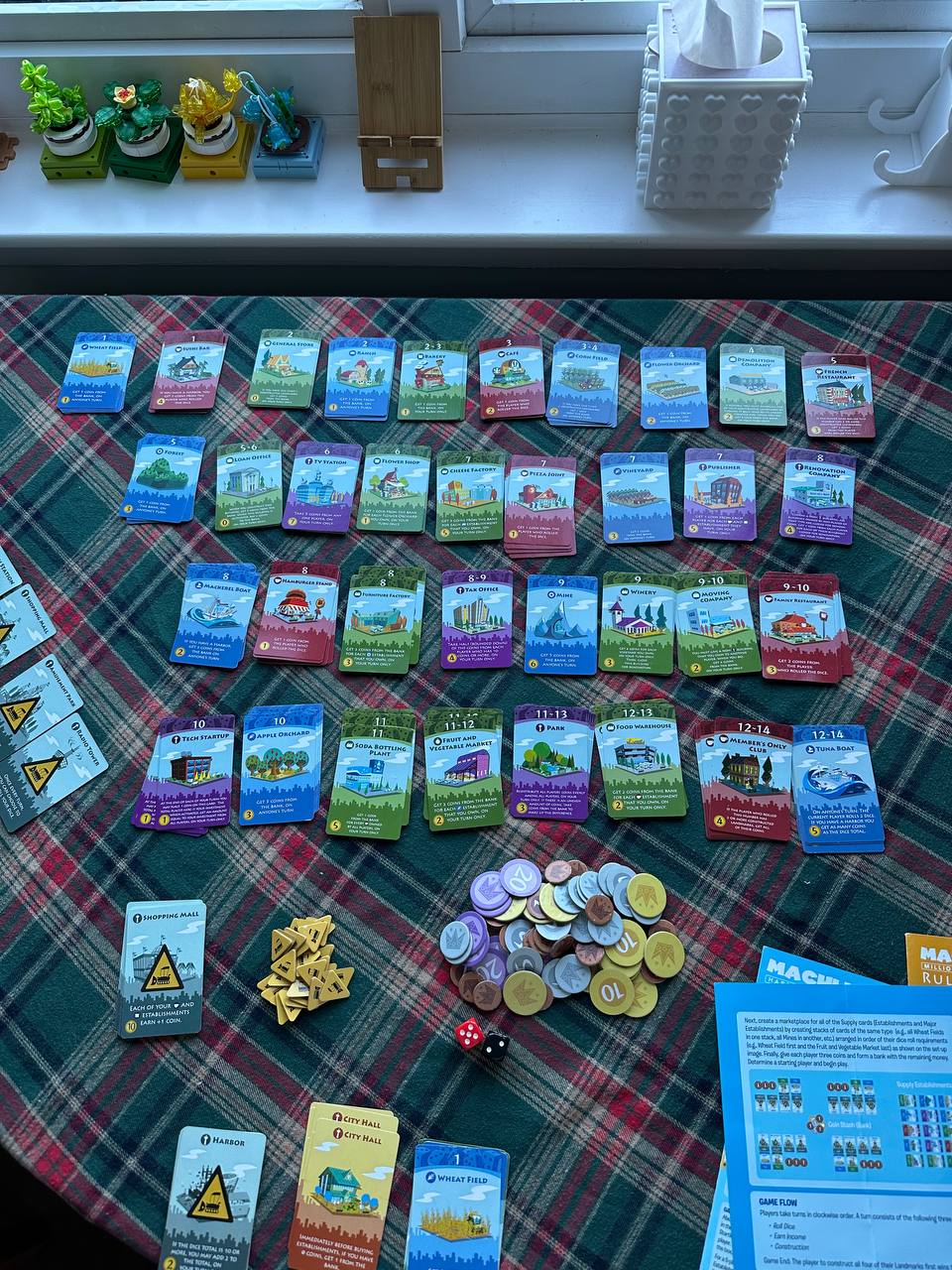
Machi Koro is a quick card and dice game about building a small Japanese town. On every turn the dice are rolled and any matching buildings pay out coins, sometimes to everyone and sometimes only to their owner. You spend your income on new businesses and, eventually, on the landmarks that complete your town, and the first player to finish all of theirs wins.
I came across Machi Koro by chance when I was playing a lot in Ukraine. I was told it was a great Japanese game, and I'm not sure how Japanese it really is, but that's what I heard. It is a city-building game where you build up a town, and it reminds me of Catan: what you earn depends on which cards you build, how you collect coins and what the dice do, since you earn when anyone rolls, depending on the colour of the card. There are plenty of strategies too. I have seen people win by buying only cards that trigger on a single die, always rolling one die and always collecting plenty of coins, because there are only six possible results. On the other hand, you earn more with two dice, so the game pulls in two directions.
You build your own city and always have a goal. It isn't too complicated and it plays quite quickly. It works perfectly well with two players; three or four is best, but two is still good. Harbor and Millionaire's Row add a lot of new cards and buildings, and they also mean you can't be left without any income: even if you earn nothing from your own cards, the dice will still pay you something.
Luck plays a big part: you get what the dice give you. You may also want a card that someone has already taken from the market. With the expansions we play with two decks and lay out, say, 10 open cards, and sometimes many of them need double dice. You can do nothing but wait. When we showed 15 cards it was better. We sometimes shuffled the deck in stages, with only cards 1 to 6 at the start, then 1 to 6 mixed with up to 12, and finally mostly the high ones. That added balance, but it is hard to shuffle that way every game. Putting every card on the market isn't fun either, because you simply follow one strategy; a limited market forces you to vary it. The main downside is that once you fall behind you can't catch up: the leader collects more and more coins and you sit and suffer. The expansions matter, and I really like them, but the blue cards are overpowered. They pay out whenever anyone rolls, so everyone wants to buy them, while green cards pay only on your own turn and red cards steal only a little. Given a choice between green, red and blue, you will almost always pick blue.
I think it is a fairly simple game and could be played from about 8, but we recommend 10+. It isn't a game we crave playing often because of the dice, and we have other games that currently win out over Machi Koro. It is best with three or four players, though it also works with two.
I came across Machi Koro by chance while I was playing a lot in Ukraine. Someone told me it was a great Japanese game, so I tried it.
A fun Japanese game. If I think of a Japanese board game, Machi Koro is still the first that comes to mind. It is a good one.
Social networks are not built around empathy. We are all people of flesh and blood: we have dreams, goals, desires and problems, and for centuries we built our connections through friends.
Today social networks run on algorithms designed to make you spend more time inside them. The strongest emotion is anger, and social networks amplify it because it pushes us to act, reply and comment.
We want you to know all your neighbours again, and to feel and live life the way you deserve. That is why we founded the Ministry.
Real peopleReal connectionsMore Empathy